
 3 days ago
32
3 days ago
32
- Mo Ibrahim praised Aliko Dangote’s $20 billion refinery as a landmark example of African capital driving economic development.
- Mo Ibrahim regards Dangote’s projects as proof that African investors can address major infrastructure and energy challenges on the continent.
- Dangote plans to expand the Lagos facility further and is considering building a similar refinery in East Africa, possibly in Mombasa.
- The refinery has provided an alternative fuel source amid global supply disruptions and its exports to other African countries have surged.
British-Sudanese billionaire Mo Ibrahim has praised Aliko Dangote’s $20 billion refinery as a powerful example of African capital driving the continent’s development, as Africa’s richest man, worth an estimated $28.5 billion, considers building a second refinery in East Africa.
Mo Ibrahim, the telecommunications pioneer who founded Celtel and now chairs the Mo Ibrahim Foundation, has cited Aliko Dangote’s refinery in Nigeria as evidence that African investors can finance major projects capable of addressing the continent’s development challenges.
In a recent interview with Business Insider Africa, Sir Mo Ibrahim was asked about the role African billionaires and private capital should play in the continent’s development.
“Of course they have a key role to play, and many of them already do,” he said.
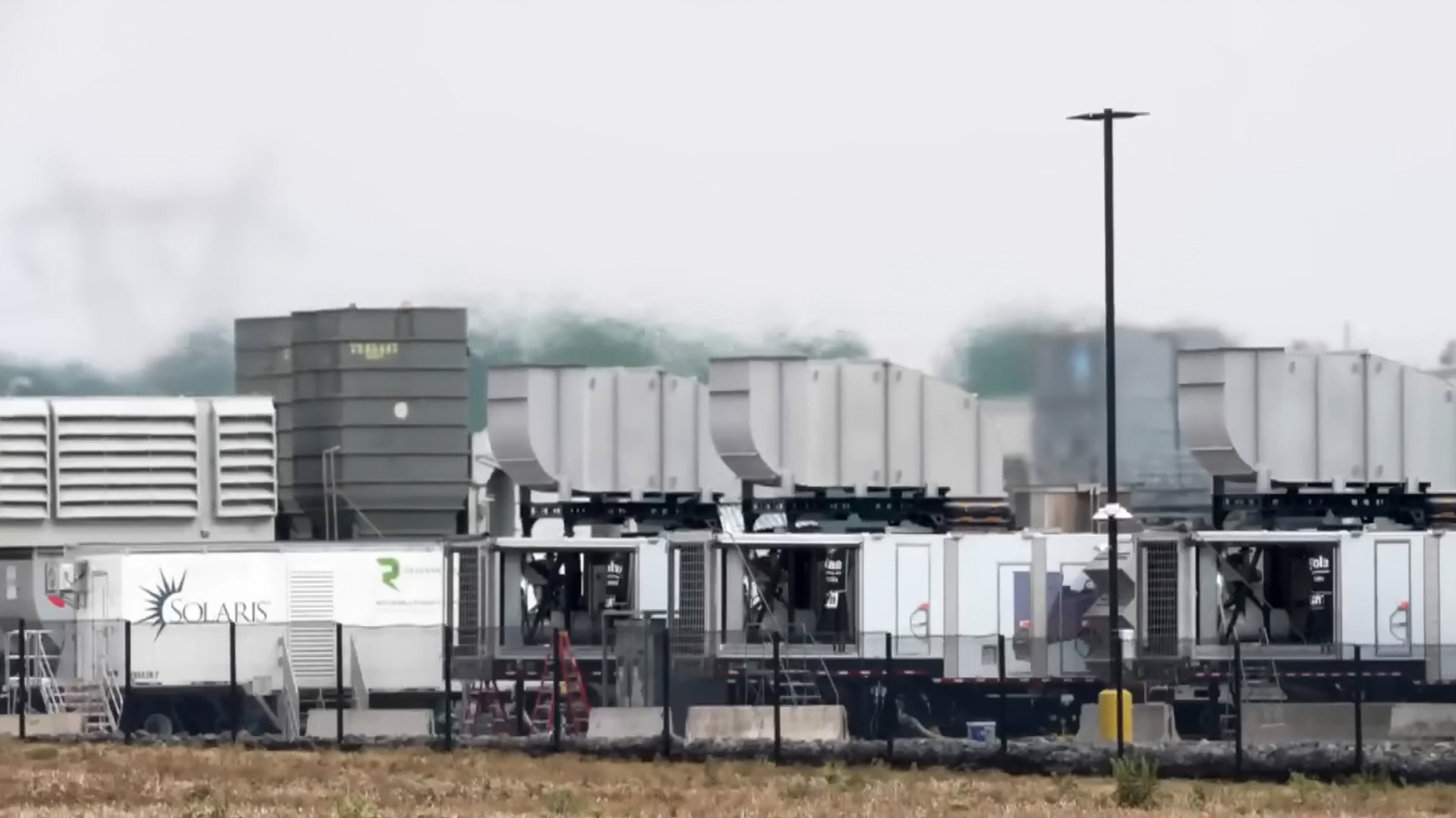
He pointed to Dangote and the construction of the Dangote Petroleum Refinery near Lagos as an example of what African private capital can achieve.
“Let me just take the amazing example of my friend Aliko Dangote, and what he has already accomplished, on its own, for the primary benefit of his own continent, by building this huge refinery in Nigeria, providing access to energy to its people first, with a total initial investment exceeding $19 billion,” Ibrahim said.
The scale of the project has already begun to reshape fuel production and trade across the continent.
Refinery strengthens Africa’s fuel supply
The Dangote refinery began producing fuel in 2024 and has an official capacity of 650,000 barrels per day, making it the world’s largest single-train refinery.
In June 2026, the facility processed 700,000 barrels per day during a performance test, exceeding its stated capacity.
It produces petrol, diesel and jet fuel for Nigeria and exports refined products to markets across Africa, Europe, the United States and Saudi Arabia.
The facility also emerged as an alternative supplier during disruptions linked to the conflict involving Iran and restrictions affecting shipments through the Strait of Hormuz.
African buyers increasingly turned to the Lagos refinery as traditional supplies from the Middle East tightened.
Its exports rose from about 168,000 barrels per day in February to 353,000 barrels per day in April, with roughly half of the April volume going to other African countries.
More recently, Dangote Industries announced plans to expand the refinery to 1.4 million barrels per day by the end of 2028, potentially making it the world’s second-largest refining complex after India’s Jamnagar refinery.
“Nobody believed in this initially. And now he is already thinking about the next one, in East Africa,” Ibrahim said.
Dangote considers East African expansion
The billionaire, who is Africa’s richest man, continues to demonstrate his confidence in the continent by considering another 650,000-barrel-per-day refinery in East Africa, where many countries remain heavily dependent on imported petroleum products.
He has identified Kenya’s port city of Mombasa as a possible location, citing its deep-water port, larger economy and strong fuel demand.
“I’m leaning more towards Mombasa because Mombasa has a much larger, deeper port,” Dangote said in a recent interview.
The proposed project could cost between $15 billion and $17 billion and would match the capacity of the Lagos refinery.
The Lagos refinery has expanded Dangote’s influence beyond cement and commodities, turning the Nigerian industrialist into a major player in African and global energy markets.
Sir Mo Ibrahim’s record in African business
Ibrahim’s remarks carry added weight because of his record as one of Africa’s most successful entrepreneurs.
Sir Mo Ibrahim, who was appointed a Knight Commander of the Order of St Michael and St George in the United Kingdom’s 2023 New Year Honours, founded mobile operator Celtel in 1998.
He expanded the company across several African markets before selling it to Kuwait’s Mobile Telecommunications Company, now Zain, for $3.4 billion in 2005.
The deal made Ibrahim a billionaire and placed him among a small group of entrepreneurs who built major fortunes through investments on the continent.
He went on to establish the Mo Ibrahim Foundation, which promotes good governance and effective leadership across the continent.
Ibrahim said Dangote’s refinery showed how African capital could finance industrial growth, strengthen energy security and reduce the continent’s dependence on imported petroleum products.



 English (US) ·